



Stroke Rehabilitation
Professional stroke rehabilitation at Source of Life nursing home in Tbilisi. Comprehensive recovery programs including physical therapy, speech therapy, and daily living skills training for stroke survivors.


🏥 Send Request
Fill in the form — we will call you back within 15 minutes
Indications for Inpatient Rehabilitation
Hemiparesis, hemiplegia, ataxia, coordination, and balance disorders
Aphasia, dysarthria, dysphagia, and impairments in writing or reading
Memory, attention, executive function impairments, and apraxia
Dependency in daily activities and need for specialized care
Stages of the Rehabilitation Process
Comprehensive evaluation by a multidisciplinary team. Determination of rehabilitation potential using FIM, Barthel, and NIHSS scales. Setting SMART goals for recovery.
Daily sessions with physiotherapists, occupational therapists, and speech therapists. Minimum of 3 hours of active therapy, incorporating robotic technologies.
Consolidation of achieved results. Training in compensatory strategies and preparation for independent living.
Periodic courses of maintenance therapy. Program adjustments and secondary stroke prevention.
Key Procedures in Post-Stroke Rehabilitation
- Physiotherapy: Active-passive exercises to restore mobility, including muscle electrostimulation and hydrotherapy to reduce spasticity.
- Speech Therapy: Articulation and swallowing training for dysphagia, using mirror therapy for aphasia.
- Occupational Therapy: Training in daily living skills such as dressing or eating, with environmental adaptations to prevent falls.
- Medical Support: Anticoagulants and nootropics to prevent thrombosis and enhance cognitive function.
- Psychological Support: Cognitive-behavioral therapy to address post-stroke depression, which affects 30% of patients, according to WSO data.
Daily Schedule with Balanced Activity and Rest
| Time | Activity |
|---|---|
| 7:00–8:00 | Wake-up, vital signs monitoring (blood pressure, pulse), hygiene |
| 8:00–9:00 | Breakfast with dysphagia management, medication administration |
| 9:00–11:00 | Physiotherapy and therapeutic exercise for motor recovery |
| 11:00–12:00 | Speech therapy or occupational therapy |
| 12:00–13:00 | Lunch, tailored to food texture needs |
| 13:00–15:00 | Rest, neurocognitive exercises |
| 15:00–17:00 | Group therapy, outdoor walks for cardiorespiratory rehabilitation |
| 17:00–18:00 | Afternoon snack |
| 18:00–20:00 | Evening procedures, health monitoring |
| 20:00–22:00 | Bedtime preparation, relaxation techniques |
Post-Stroke Rehabilitation Services at "Istok Zhizni" Georgia
"Istok Zhizni" offers comprehensive rehabilitation services, combining neurological recovery with geriatric care. Our programs are customized based on individual plans, tailored to the type of stroke (ischemic or hemorrhagic) and comorbidities such as hypertension or diabetes, ensuring optimal recovery outcomes.
1
Medical Care
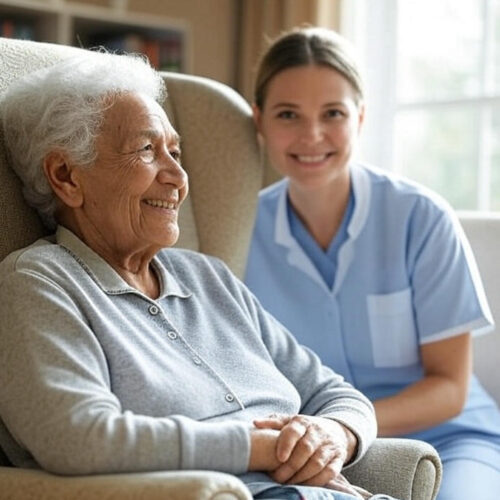
Round-the-clock monitoring, treatment of comorbidities such as hypertension. Consultations with neurologists to adjust therapy.
2
Psychological Support
Individual sessions for symptom management, group therapy for socialization.
3
Rehabilitation
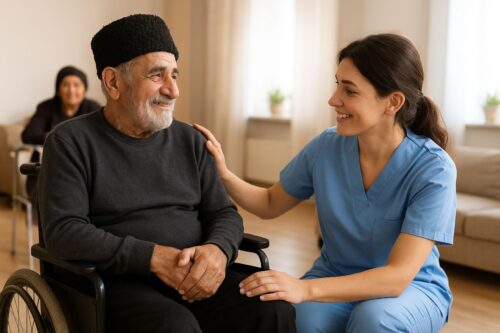
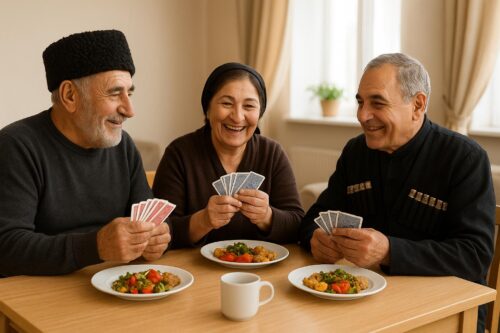
Adapted activities, such as listening to music, without the risk of disorientation; rooms equipped with motion sensors.
4
Leisure and Safety
Adapted activities, such as listening to music, without the risk of disorientation; rooms equipped with motion sensors.
5
Nutrition
Five meals a day tailored to dietary needs: soft dishes rich in omega-3 (fish, nuts) for brain health. Example: oatmeal with fruits for breakfast, vegetable soup for lunch.
Boarding house services
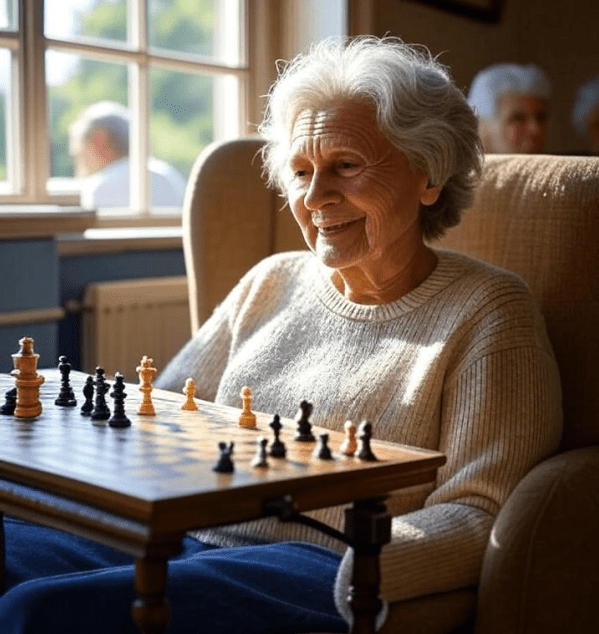
Interesting leisure activities
Animation, concerts, games
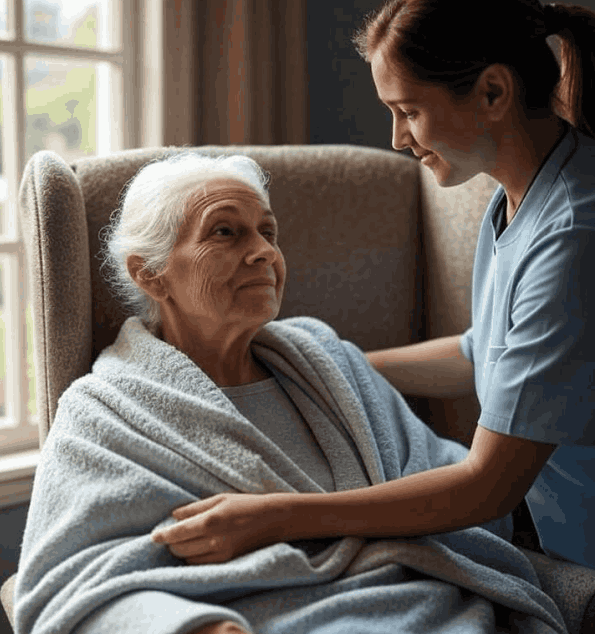
24/7 care
Professional caregivers and nurses
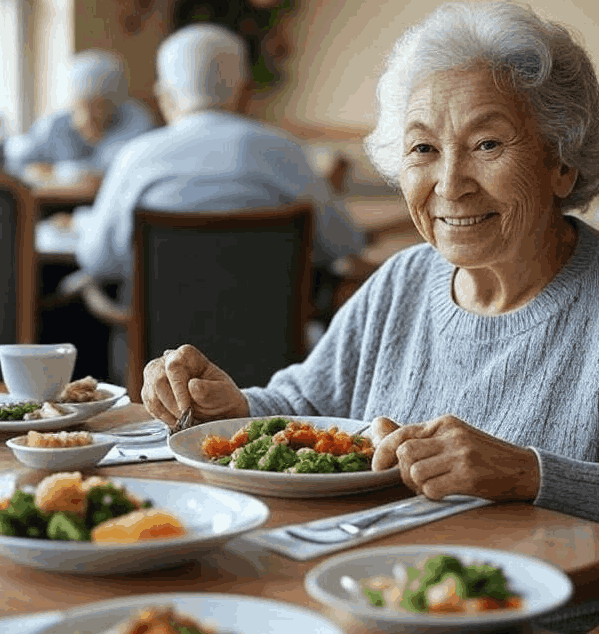
Healthy Eating
Tasty and Balanced Nutrition for Seniors
Stroke Statistics and Rehabilitation in Georgia and Worldwide 2023-2024
According to the Georgian Ministry of Health data for 2022, approximately 6,000 stroke cases are recorded annually, with an expected increase by 2024 due to demographic aging. Globally, per the World Stroke Organization 2025 report, there are 12 million new cases annually, with 100 million survivors and treatment costs exceeding $890 billion USD. The stroke rehabilitation market is valued at $285 million USD in 2024 (Towards Healthcare), projected to grow to $317 million in 2025. AHA 2024 studies indicate that 61.4% of patients do not receive rehabilitation within the first 6 months, increasing the risk of long-term disability.
Infographic with key facts visualized in a separate HTML file (see below): data table and CSS-based bar chart distribution.
| Region/Source | Key Statistic | Value | Year |
|---|---|---|---|
| Georgia (Ministry of Health) | Annual Stroke Cases | 6,000 | 2022 (projected growth by 2024) |
| Global (WSO) | New Cases Annually | 12 million | 2025 |
| Global (WSO) | Stroke Survivors | 100 million | 2025 |
| Global (WSO) | Annual Treatment Costs | $890 billion USD | 2025 |
| Global (Towards Healthcare) | Rehabilitation Market Value | $285 million USD | 2024 |
| Global (Towards Healthcare) | Projected Market Value | $317 million USD | 2025 |
| Global (AHA) | Patients Without Early Rehab | 61.4% | 2024 |
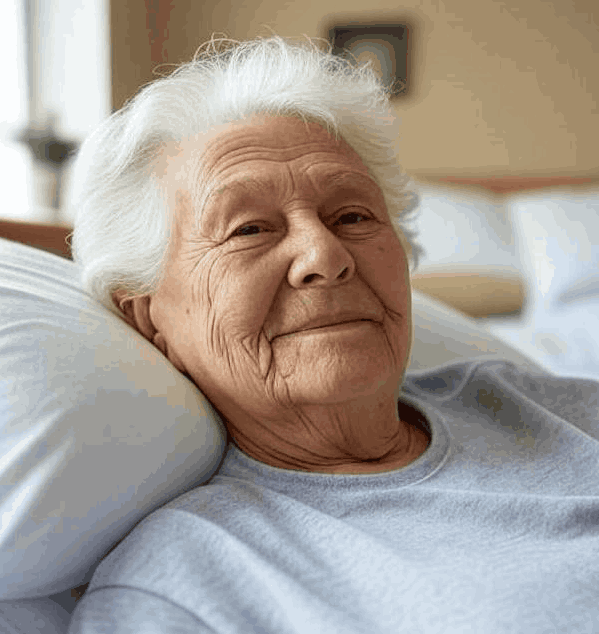
Assistance for bedridden residents
Special beds for bedridden residents
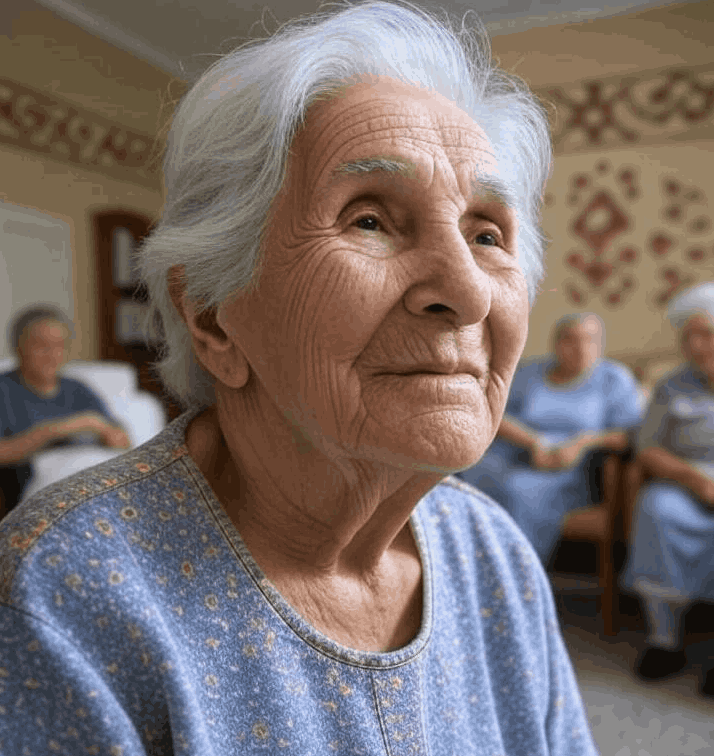
Rehabilitation
Recovery after surgery and serious illnesses
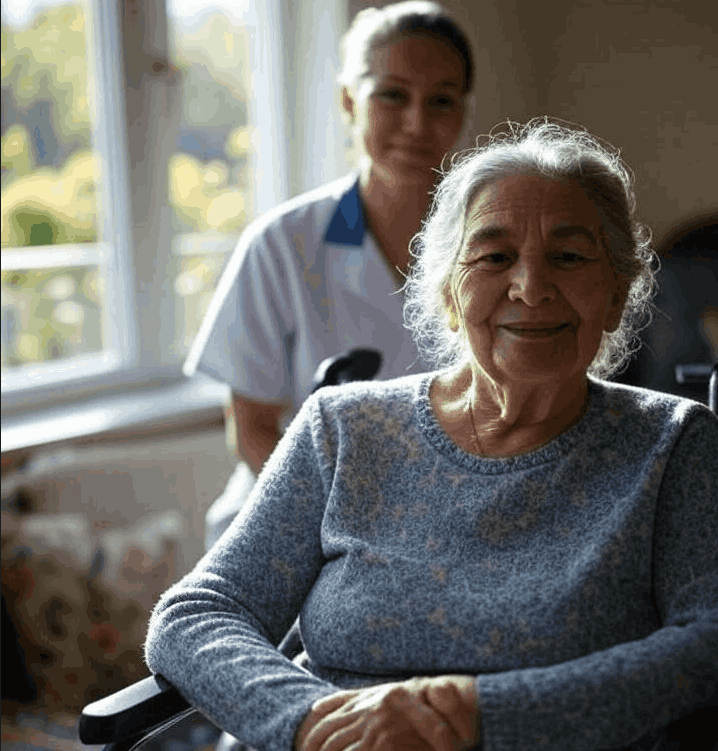
Care for People with Disabilities
Daily assistance and care for people with disabilities.
How to get to our boarding house: step-by-step instructions.
1
Consultation
Determining the condition and illnesses of our future potential wards.
2
Visit to the boarding house. Excursion.
We invite you to visit us and learn about the living conditions of our elderly residents.
3
Preparation of documents
We will help you prepare the necessary documents for moving to our nursing home.
4
Arrival and check-in
You can choose your room and place of residence in advance.
Comprehensive Care Pricing for Your Loved Ones
Personalized services for seniors and individuals with disabilities
| Service Category | Description | Price |
|---|---|---|
| Independent Living Support | For active seniors and individuals with mild disabilities, including early-stage Alzheimer’s or Parkinson’s, requiring minimal assistance with daily activities. | From 65₾ /day |
| Assisted Daily Care | Support for individuals with moderate disabilities, mid-stage Alzheimer’s, Parkinson’s, or post-heart attack recovery, needing regular assistance with daily tasks. | From 80₾ /day |
| Intensive Rehabilitation & Care | Specialized care for bedridden patients, those with severe disabilities, or undergoing post-stroke, advanced Alzheimer’s, or Parkinson’s rehabilitation, requiring 24/7 supervision. | From 90₾ /day |
| Medical Supervision | Regular health check-ups, neurologist and cardiologist consultations, medication monitoring, and adjustments for all conditions. | Included |
| Nutritious Meals | Customized menus tailored to specific needs, including Alzheimer’s, Parkinson’s, post-stroke, or cardiac diets, with dysphagia management. | Included |
| Rehabilitation Programs | Tailored therapies including physiotherapy, occupational therapy, speech therapy, and LSVT BIG for Parkinson’s, adapted for stroke, heart attack, and disability recovery. | Included |
Our services cover specialized care for Alzheimer’s, Parkinson’s, disabilities, bedridden patients, post-heart attack, and post-stroke recovery, ensuring comprehensive support tailored to individual needs.

Interesting leisure time

Transportation to the boarding house

Elderly care 24/7

Comfortable accommodation

Multiple meals

Daily hygiene
Motor Rehabilitation Methods Post-Stroke
(Informational Section)
| Method | Indications | Frequency | Effectiveness |
|---|---|---|---|
| Bobath Therapy | Spastic hemiparesis | Daily, 60 min | Reduces spasticity by 2 points on MAS |
| PNF Therapy | Muscle weakness | 5 times/week, 45 min | Increases muscle strength by 35% |
| Mirror Therapy | Upper limb paresis | Twice daily, 30 min | Improves hand function by 20% |
| Locomotor Therapy | Gait impairments | Daily, 40 min | Increases walking speed by 45% |
| FES Therapy | Peripheral paresis | Twice daily, 20 min | Restores dorsiflexion in 67% of cases |
Speech Function Recovery
Comprehensive assessment using the Western Aphasia Battery (WAB) protocol. Identification of aphasia type. Videofluoroscopy for dysphagia evaluation.
Daily sessions of 45-60 minutes. Restoration of expressive and receptive speech. Training with alternative communication methods.
For patients with motor aphasia. Utilizes musical patterns to stimulate speech areas.
Use of specialized software for speech rehabilitation. Biofeedback techniques. Tablet-based home exercises.
Contact Nursing Home
We are always here to help. Call, email, or visit — we will assist you in choosing the right care and answer all your questions.
🏥 Send Request
Fill in the form — we will call you back within 15 minutes
📞 Didn't find the answer?
Call or leave a request — we will call you back within 15 minutes
Open daily from 8:00 to 20:00
