




Heart Attack Rehabilitation
Post-myocardial infarction rehabilitation at Source of Life nursing home in Tbilisi. Cardiac recovery, physical therapy, medication management, and lifestyle support for elderly patients after a heart attack.


🏥 Send Request
Fill in the form — we will call you back within 15 minutes

Rehabilitation After Myocardial Infarction
Myocardial infarction is an acute disruption of blood supply to the heart, leading to the death of a section of muscle tissue. In elderly patients, this condition is often complicated by comorbidities such as hypertension or atherosclerosis and requires careful recovery.
Myocardial infarction remains one of the leading causes of mortality and disability worldwide. The private nursing home "Source of Life" provides comprehensive services for the recovery of patients after acute coronary syndrome.
Need cardiac rehabilitation for a loved one? Call us or leave a request — we will create an individualized recovery plan.
Why Cardiac Rehabilitation Matters After a Heart Attack
Recovery after a heart attack doesn't end at the hospital discharge. The weeks and months following a myocardial infarction are critical for restoring heart function, preventing complications, and reducing the risk of a second event. Without proper rehabilitation, the risk of recurrent infarction increases significantly.
At Source of Life, we understand that cardiac rehabilitation is a gradual, structured process that addresses not only physical recovery but also psychological well-being and lifestyle changes.
❤️ Early and consistent rehabilitation after a heart attack can reduce the risk of a second cardiac event by up to 50%.
Key Components of Post-Infarction Rehabilitation
- Cardiovascular rehabilitation — a structured program of exercise and education to improve heart health and prevent future problems.
- Physical therapy — carefully supervised exercises to rebuild strength and endurance, starting with gentle activities and progressing gradually.
- Medication management — ensuring proper use of blood thinners, beta-blockers, and other post-infarction medications to prevent clots and reduce cardiac workload.
- Blood pressure and cholesterol monitoring — regular checks to reduce strain on the heart and slow the progression of atherosclerosis.
- Nutritional counseling — heart-healthy diet recommendations to manage weight, cholesterol, and blood pressure.
- Psychological support — addressing anxiety, depression, and post-traumatic stress that often follow a heart attack.
How We Rehabilitate Heart Attack Patients at Source of Life
Our post-infarction rehabilitation program is tailored to each patient's condition and recovery stage:
- Phase 1 (Early Recovery) — gentle exercises in bed, breathing exercises, and initial mobilization under medical supervision.
- Phase 2 (Progressive Recovery) — supervised walking, light resistance exercises, and education about cardiac risk factors.
- Phase 3 (Maintenance) — ongoing physical activity, lifestyle changes, and long-term monitoring to prevent recurrence.
Throughout all phases, our medical team monitors heart rate, blood pressure, and oxygen saturation to ensure safe exercise intensity.
Why Choose Source of Life for Cardiac Rehabilitation
- 24/7 medical supervision — trained nursing staff always available to respond to cardiac emergencies.
- Individualized recovery plans — tailored to each patient's age, comorbidities, and functional capacity.
- Controlled environment — fall-proof facilities, emergency equipment, and ongoing monitoring.
- Family involvement — we educate families on how to support the patient's recovery at home.
- Holistic approach — addressing physical, emotional, and nutritional aspects of recovery.
📞 To learn more about heart attack rehabilitation and placement, contact our administration.
Still have questions about cardiac rehabilitation? Call us — we will answer everything.
Frequently Asked Questions
❓ When can a patient start rehabilitation after a heart attack?
Rehabilitation typically begins within days of the event, once the patient is stable. Early mobilization under medical supervision is key to recovery.
❓ How long does post-infarction rehabilitation take?
The duration depends on the patient's condition, age, and comorbidities. The active rehabilitation phase typically lasts from 2 to 6 months, with ongoing maintenance care afterward.
❓ Is physical therapy safe after a heart attack?
Yes, but it must be carefully monitored. Our therapists design safe, gradual exercise programs that strengthen the heart without overloading it.
❓ How do you prevent another heart attack?
We address all major risk factors: medication adherence, blood pressure control, cholesterol management, healthy diet, physical activity, and stress reduction. Our team works with the patient and family to build sustainable lifestyle changes.
Ready to start cardiac rehabilitation?
Call us or leave a request — we will create an individualized recovery plan
Open daily from 8:00 to 20:00
📋 All Nursing Home Services
Choose a service to learn more
Basic Care
6 servicesRehabilitation
4 servicesAccommodation
3 servicesDidn't find the service you need? Call us — we will find a personalized solution.
Rehabilitation after Myocardial Infarction
Myocardial infarction is an acute disruption of blood supply to the heart, leading to the death of a section of muscle tissue. In elderly patients, this condition is often complicated by comorbidities such as hypertension or atherosclerosis and requires careful recovery.
Myocardial infarction remains one of the leading causes of mortality and disability.
The private boarding house "Source of Life" provides services for the recovery of patients after acute coronary syndrome.
| Type of Rehabilitation | Return to Work (%) | Reduction in Repeat Infarction Risk (%) | Quality of Life Improvement (%) | Duration (months) | Effectiveness Rating |
|---|---|---|---|---|---|
| Boarding House with 24/7 Supervision | 85-90 | 70-75 | 90-95 | 3-6 | Excellent |
| Inpatient Rehabilitation | 80 | 65 | 85 | 1-2 | Good |
| Sanatorium Treatment | 65-70 | 50-55 | 80 | 1 | Good |
| Outpatient Rehabilitation | 50-60 | 40-45 | 65 | 6-12 | Moderate |
| Home Rehabilitation | 26 | 25-30 | 45 | 12+ | Low |
| No Rehabilitation | 15-20 | 10-15 | 30 | - | Unsatisfactory |
What is Myocardial Infarction and Why Rehabilitation is Critical
Myocardial infarction develops due to arterial blockage by a blood clot, causing chest pain, shortness of breath, and weakness. According to research data, approximately 1 million cases are registered globally each year, while in Russia, mortality has decreased by 23.7% over the past 5 years due to improved recovery methods. For elderly patients, post-infarction rehabilitation prevents complications such as post-infarction cardiosclerosis and improves quality of life. Without it, the probability of a repeat attack increases by 2 times.
At "Source of Life," the approach is based on individualized plans that take into account the stage of illness and overall condition. This is not a medical institution, but a comfortable boarding house where elderly care is combined with elements of sanatorium-resort treatment.
Stages of Post-Myocardial Infarction Rehabilitation at the Boarding House
Post-infarction rehabilitation is divided into three stages: inpatient (7-20 days with bed rest and gradual introduction of physical therapy), outpatient (up to 6 months with increasing activity), and supportive (lifelong monitoring). At "Source of Life," patients undergo all phases under the supervision of specialists.
- Physical therapy: Begins with breathing exercises, progressing to walking and light loads, which reduces the risk of complications by 40%.
- Medication therapy: Anticoagulants and beta-blockers under supervision to prevent thrombosis.
- Post-infarction diet: Low-cholesterol diet with vegetables, fish, and salt restriction, adapted for the elderly.
- Psychological rehabilitation: Sessions to reduce anxiety, as stress increases the risk of recurrence.
1
Medical Care
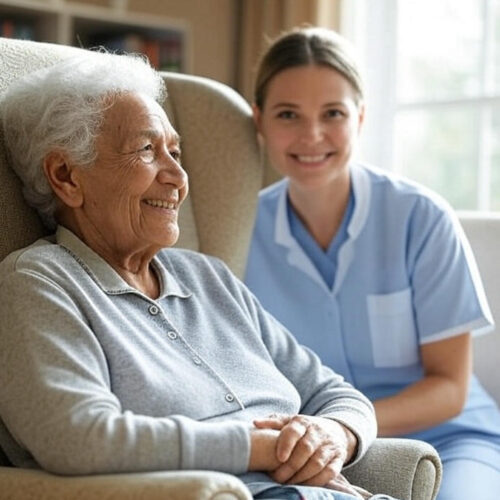
Round-the-clock monitoring, treatment of comorbidities such as hypertension. Consultations with neurologists to adjust therapy.
2
Psychological Support
Individual sessions for symptom management, group therapy for socialization.
3
Rehabilitation
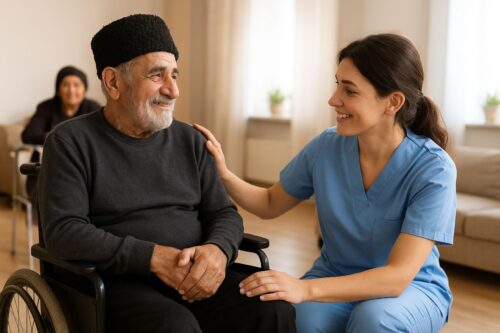
Adapted activities, such as listening to music, without the risk of disorientation; rooms equipped with motion sensors.
4
Leisure and Safety
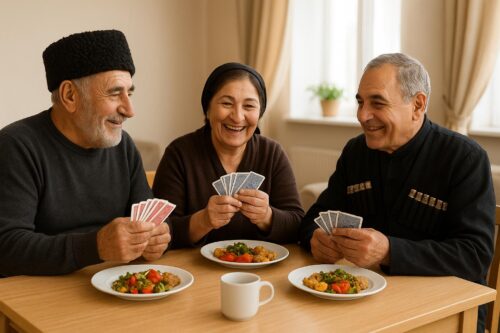
Adapted activities, such as listening to music, without the risk of disorientation; rooms equipped with motion sensors.

5
Nutrition
Five meals a day tailored to dietary needs: soft dishes rich in omega-3 (fish, nuts) for brain health. Example: oatmeal with fruits for breakfast, vegetable soup for lunch.
Daily Schedule
| Time | Procedure |
|---|---|
| 7:00–8:00 | Wake-up, personal hygiene with adaptive assistance, vital signs monitoring |
| 8:00–9:00 | Breakfast, supervised medication administration |
| 9:00–12:00 | Rehabilitation procedures, physiotherapy |
| 12:00–13:00 | Lunch, tailored to dietary requirements |
| 13:00–15:00 | Rest period, cognitive exercises |
| 15:00–18:00 | Leisure activities: art therapy, social interaction |
| 18:00–19:00 | Dinner |
| 19:00–22:00 | Evening procedures, bedtime preparation |
Boarding house services
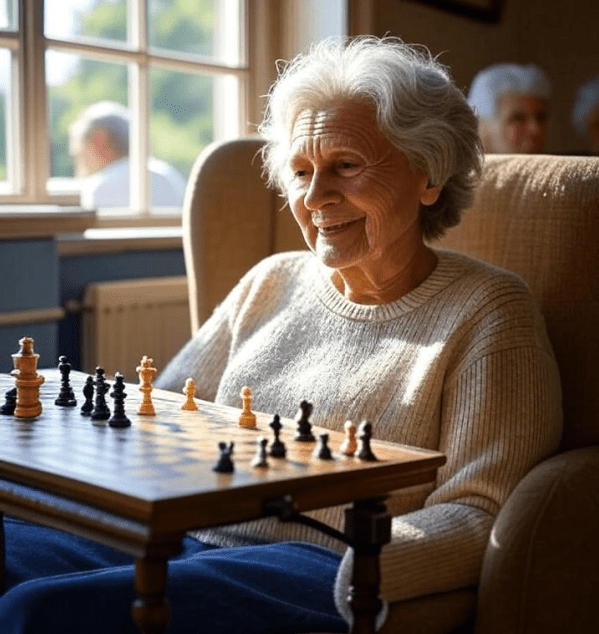
Interesting Leisure Activities
Animation, Concerts, Games
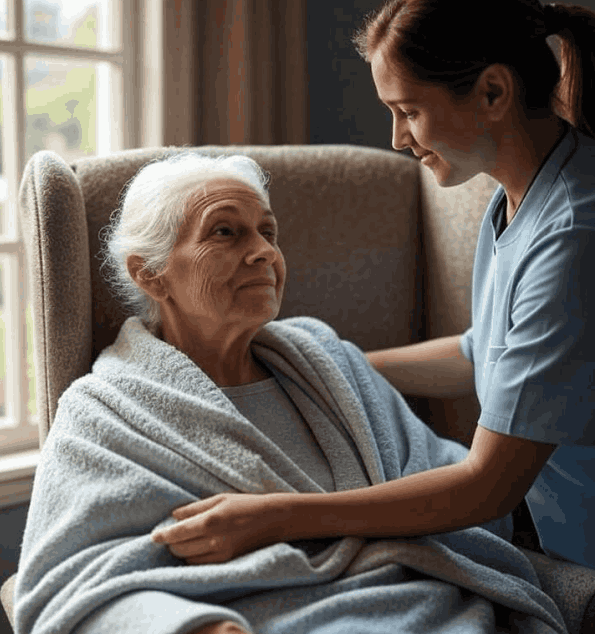
24/7 care
Professional caregivers and nurses

Healthy Eating
Tasty and Balanced Nutrition for Seniors
Statistical Data on Myocardial Infarction (separate table)
| Indicator | Global Data (2021-2025) | Georgia Data (estimated) |
|---|---|---|
| Annual cases | Approximately 1 million in the USA | ~5-10 thousand (200 per 100K) |
| Mortality reduction over 5 years | -23.7% in Russia | Similar trend |
| Risk of recurrent MI without rehabilitation | +50% | High among elderly |
| Rehabilitation effectiveness | 25-50% reduction in recurrence | 70% quality of life improvement |
Assistance for bedridden residents
Special beds for bedridden residents
Rehabilitation
Recovery after surgery and serious illnesses
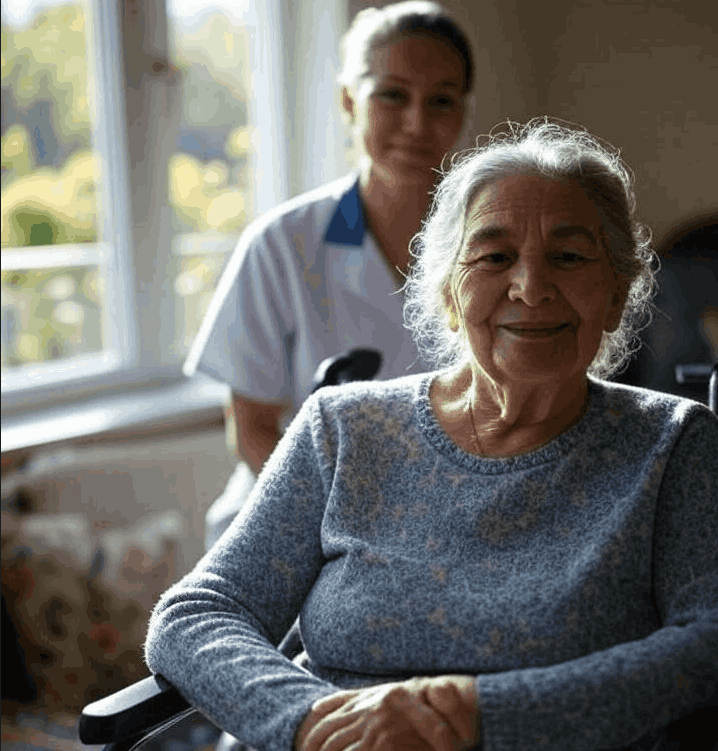
Care for People with Disabilities
Daily assistance and care for people with disabilities.
How to get to our boarding house: step-by-step instructions.
1
Consultation
Determining the condition and illnesses of our future potential wards.
2
Visit to the boarding house. Excursion.
We invite you to visit us and learn about the living conditions of our elderly residents.
3
Preparation of documents
We will help you prepare the necessary documents for moving to our nursing home.
4
Arrival and check-in
You can choose your room and place of residence in advance.
Daily Schedule at "Source of Life" Boarding House for Post-Infarction Rehabilitation
The schedule is designed for elderly residents recovering from myocardial infarction, for gradual rehabilitation. It combines rest, physical therapy, balanced nutrition, and psychological support to reduce the risk of recurrence. This is based on cardiologists' recommendations: at least 8 hours of sleep, moderate activity, and regular check-ups.
| Time | Activity | Description |
|---|---|---|
| 07:00–08:00 | Wake-up and hygiene procedures | Waking up, washing, blood pressure and pulse measurement. Light exercises in bed to activate circulation. |
| 08:00–08:30 | Morning exercises | Breathing exercises and simple physical therapy under instructor supervision to avoid cardiac overload. |
| 08:30–09:00 | Breakfast | Low-cholesterol diet: oatmeal, fruits, sugar-free tea. Portion control for weight management. |
| 09:00–10:00 | Medical examination and procedures | Medication administration, cardiologist consultation. ECG monitoring when necessary. |
| 10:00–11:00 | Fresh air walk | Slow walking in the boarding house garden, no more than 20-30 minutes, to improve blood circulation. |
| 11:00–12:00 | Rehabilitation sessions | Group or individual physical therapy: coordination and strength exercises adapted for elderly patients. |
| 12:00–12:30 | Second breakfast or snack | Yogurt, vegetables, or fruits – light meal to maintain energy without straining the heart. |
| 12:30–13:30 | Rest or reading | Quiet hour: lying position, meditation, or listening to audiobooks for stress reduction. |
| 13:30–14:00 | Lunch | Balanced menu: soup, fish or chicken, vegetables. Salt and fat restriction per doctor's recommendations. |
| 14:00–15:00 | Psychological support | Sessions with psychologist: discussing fears, relaxation techniques to prevent post-infarction depression. |
| 15:00–16:00 | Free time or hobbies | Creative activities, socializing with other residents – interaction for emotional recovery. |
| 16:00–16:30 | Afternoon snack | Tea with dried fruits or nuts in moderate amounts to avoid overloading the body. |
| 16:30–17:30 | Physiotherapy | Massage, electrophoresis, or other procedures to improve blood flow, under specialist supervision. |
| 17:30–18:30 | Walk or light activity | Evening walk or yoga for seniors, focusing on breathing and relaxation. |
| 18:30–19:00 | Dinner | Light meal: salad, porridge, dairy products. Finishing meals 3 hours before bedtime. |
| 19:00–20:00 | Evening leisure | Watching movies, games, or conversations – without emotional stress. |
| 20:00–21:00 | Bedtime preparation | Hygiene, evening medication administration. Relaxing procedures like a warm bath. |
| 21:00–07:00 | Night rest | Full sleep in quiet environment, with night staff monitoring. |
This schedule helps maintain a stable rhythm, which is critical for post-infarction rehabilitation – it reduces cardiac strain and promotes recovery. At "Source of Life," the schedule is individually adjusted based on the patient's condition.

Interesting leisure time

Transportation to the boarding house

Elderly care 24/7

Comfortable accommodation

Multiple meals

Daily hygiene
Comprehensive Care Pricing for Your Loved Ones
Personalized services for seniors and individuals with disabilities
| Service Category | Description | Price |
|---|---|---|
| Independent Living Support | For active seniors and individuals with mild disabilities, including early-stage Alzheimer’s or Parkinson’s, requiring minimal assistance with daily activities. | From 65₾ /day |
| Assisted Daily Care | Support for individuals with moderate disabilities, mid-stage Alzheimer’s, Parkinson’s, or post-heart attack recovery, needing regular assistance with daily tasks. | From 80₾ /day |
| Intensive Rehabilitation & Care | Specialized care for bedridden patients, those with severe disabilities, or undergoing post-stroke, advanced Alzheimer’s, or Parkinson’s rehabilitation, requiring 24/7 supervision. | From 90₾ /day |
| Medical Supervision | Regular health check-ups, neurologist and cardiologist consultations, medication monitoring, and adjustments for all conditions. | Included |
| Nutritious Meals | Customized menus tailored to specific needs, including Alzheimer’s, Parkinson’s, post-stroke, or cardiac diets, with dysphagia management. | Included |
| Rehabilitation Programs | Tailored therapies including physiotherapy, occupational therapy, speech therapy, and LSVT BIG for Parkinson’s, adapted for stroke, heart attack, and disability recovery. | Included |
Our services cover specialized care for Alzheimer’s, Parkinson’s, disabilities, bedridden patients, post-heart attack, and post-stroke recovery, ensuring comprehensive support tailored to individual needs.
Answering the latest customer questions
Contact Nursing Home
We are always here to help. Call, email, or visit — we will assist you in choosing the right care and answer all your questions.
🏥 Send Request
Fill in the form — we will call you back within 15 minutes
📞 Didn't find the answer?
Call or leave a request — we will call you back within 15 minutes
Open daily from 8:00 to 20:00
